
What happens if a country isn’t in the Hague Convention?
Introduction
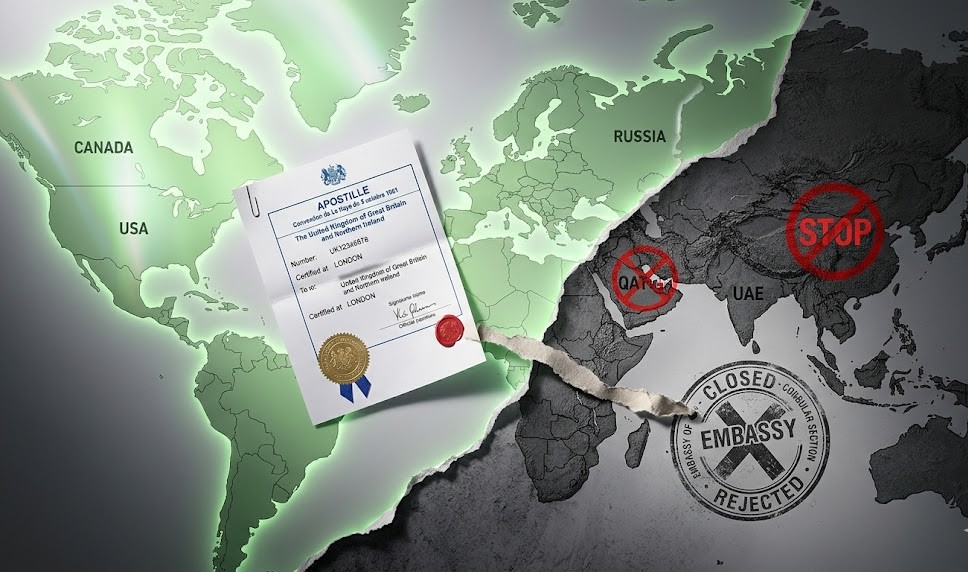
If you’re planning to use UK-issued documents abroad—whether for work, study, marriage, business, or immigration—you’ve probably come across the term “apostille”. Many people assume that once a document has an apostille, it will be accepted everywhere. However, that’s not always the case.
The key factor is whether the destination country is part of the Hague Apostille Convention. If it isn’t, your documents will require a different and often more complex process known as full legalisation or embassy attestation.
Understanding the difference can save you time, money, and unnecessary delays. In this guide, we’ll explain what happens when a country is not part of the Hague Convention, how the UK document legalisation process works in such cases, and what steps you need to take to ensure your documents are accepted abroad.
What Is an Apostille?
An apostille is an official certificate issued by the UK government that verifies the authenticity of a document. It confirms that the signature, seal, or stamp on your document is genuine.
In the UK, apostilles are issued by the Foreign, Commonwealth & Development Office (FCDO). This process is commonly referred to as the FCDO apostille service.
The apostille simplifies document legalisation for countries that are members of the Hague Apostille Convention. Once your document has an apostille, it is usually accepted in other member countries without further verification.
This is why apostille UK services are widely used for international document validation.
What Is the Hague Apostille Convention?
The Hague Apostille Convention is an international agreement that simplifies the process of legalising documents between member countries. Instead of going through multiple steps, a single apostille certificate is enough.
If both the UK and the destination country are members, the process is straightforward:
- Prepare your document
- Submit it for an apostille
- Use it abroad without further legalisation
However, if the destination country is not part of the Convention, the process changes significantly.
What Happens If a Country Is Not in the Hague Convention?
If the country where you plan to use your document is not a member of the Hague Convention, an apostille alone is not sufficient.
In this case, you will need full document legalisation, which includes additional steps beyond the FCDO apostille.
The Process Becomes More Complex
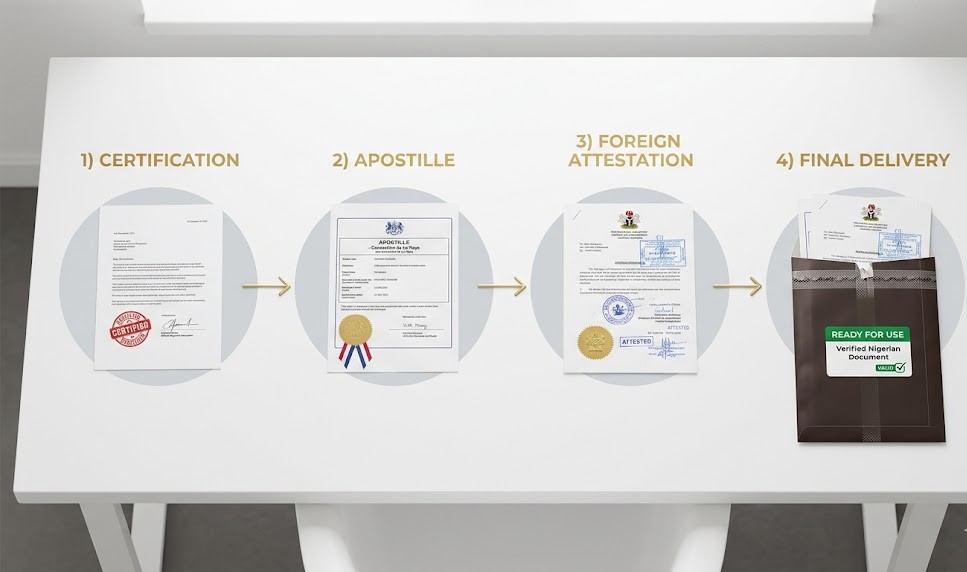
For non-Hague countries, your document must go through:
- Certification (if required)
- FCDO apostille
- Embassy or consulate legalisation
This means your document will be verified not only by the UK government but also by the embassy of the destination country.
Embassy Attestation Is Required
Embassy attestation is the process where the foreign embassy confirms that your apostilled document is valid for use in their country.
Each embassy has its own rules, fees, and processing times, which can vary significantly.
More Time and Higher Costs
Because of the additional steps, document legalisation for non-Hague countries:
- Takes longer (often several days or weeks)
- Costs more due to embassy fees
- Requires careful preparation to avoid rejection
This is why many people choose a professional apostille service UK to handle the process.
Examples of Non-Hague Convention Countries
Some countries are not part of the Hague Apostille Convention and therefore require full legalisation. These may include:
- United Arab Emirates (UAE)
- China
- Qatar
- Kuwait
- Saudi Arabia (depending on document type)
- Egypt
Requirements can change, so it’s always important to check the latest rules for your destination country.
What Is Document Legalisation UK?
Document legalisation UK refers to the process of verifying documents so they can be accepted abroad.
There are two main types:
- Apostille (for Hague Convention countries)
- Full legalisation (for non-Hague countries)
For non-Hague countries, legalisation includes both the FCDO apostille and embassy attestation.
Step-by-Step: Legalisation Process for Non-Hague Countries
Step 1: Prepare Your Documents
Make sure your documents are:
- Original or properly certified copies
- Signed by a recognised authority (e.g. solicitor or notary)
Step 2: Certification (If Required)
Some documents must be certified before they can be apostilled. For example:
- Copies of passports
- Academic certificates
- Business documents
Step 3: FCDO Apostille
Submit your documents to the FCDO to obtain the apostille certificate. This confirms the document is genuine in the UK.
Step 4: Embassy Legalisation
After the apostille, your documents must be sent to the relevant embassy for final approval.
Each embassy may require:
- Application forms
- Translation (in some cases)
- Additional supporting documents
Step 5: Return and Use Abroad
Once completed, your documents are ready for use in the destination country.
Which Documents Commonly Require Legalisation?
Whether you’re using apostille documents UK or full legalisation, the most commonly processed documents include:
Personal Documents
- Birth certificates
- Marriage certificates
- Adoption certificates
- Police certificates (DBS checks)
Educational Documents
- Degree certificates
- Diplomas
- Transcripts
- Professional qualifications
Business Documents
- Certificates of incorporation
- Memorandum and articles of association
- Contracts and agreements
- Powers of attorney
Legal Documents
- Court orders
- Wills and probate documents
- Affidavits
Each document type may have specific requirements, especially for non-Hague countries.
Timelines: How Long Does It Take?
Processing times vary depending on the destination country and the complexity of the process.
Apostille Only (Hague Countries)
- Standard: 2–5 working days
- Urgent: 1–2 working days
Full Legalisation (Non-Hague Countries)
- FCDO apostille: 2–5 days
- Embassy legalisation: 3–10+ days (varies)
In total, full legalisation can take anywhere from a few days to several weeks.
Common Mistakes to Avoid
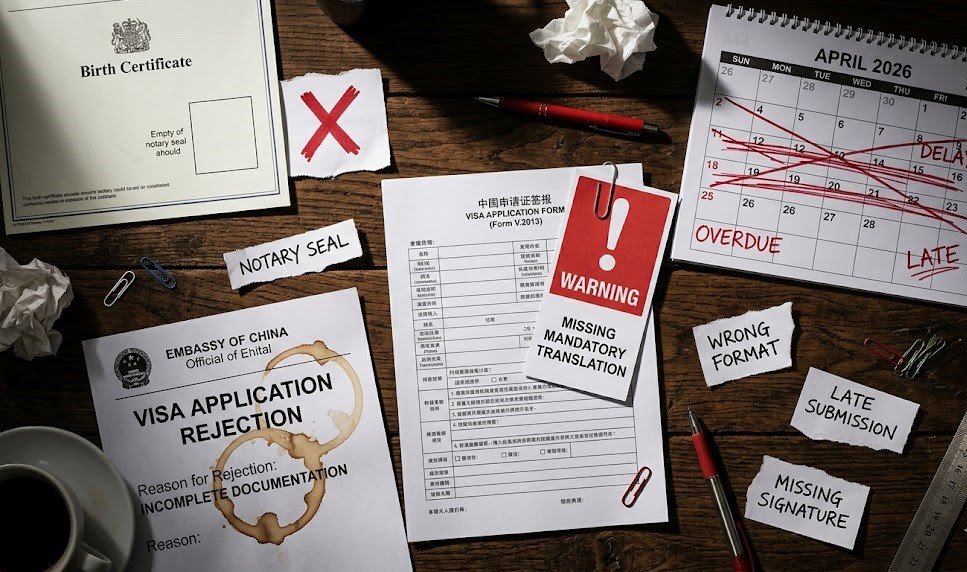
When dealing with document legalisation UK for non-Hague countries, mistakes can lead to delays or rejection.
Submitting Incorrect Documents
Always ensure your documents meet the requirements before submission.
Missing Certification
Some documents must be certified before they can be apostilled.
Ignoring Embassy Requirements
Each embassy has different rules—failing to follow them can result in rejection.
Not Allowing Enough Time
Full legalisation takes longer, so plan ahead.
DIY Errors
Applying without professional help can lead to costly mistakes.
Should You Use a Professional Apostille Service UK?
While it’s possible to handle the process yourself, it can be complicated—especially for non-Hague countries.
A professional apostille service UK can:
- Check your documents before submission
- Handle FCDO apostille processing
- Manage embassy legalisation
- Reduce delays and errors
For a smooth and reliable experience, you can explore:
https://2eapostille.co.uk/apostille-service-uk/
When Do You Need Full Legalisation Instead of an Apostille?
You will need full legalisation if:
- Your destination country is not part of the Hague Convention
- The receiving authority specifically requests embassy attestation
- The document type requires additional verification
Always confirm the requirements with the organisation requesting your documents.
Do All Non-Hague Countries Have the Same Process?
No. Each country has its own legalisation procedures.
Some may require:
- Translations
- Ministry-level approvals
- Additional certifications
This is why expert guidance is often essential.
Can Requirements Change?
Yes. Countries can join the Hague Convention or update their legalisation rules.
For example, some countries that previously required embassy attestation now accept apostilles.
Always check the latest requirements before starting the process.
Frequently Asked Questions (FAQs)
1. What is the difference between apostille and legalisation?
An apostille is a simplified form of legalisation used for Hague Convention countries, while full legalisation includes additional embassy attestation for non-Hague countries.
2. Do I always need embassy attestation?
No, only if the destination country is not part of the Hague Convention or specifically requires it.
3. Can I use an apostille in any country?
No. Apostilles are only valid in countries that are members of the Hague Convention.
4. How do I know if my destination country requires legalisation?
Check with the embassy or the organisation requesting your documents.
5. Can I apply for legalisation myself?
Yes, but the process can be complex, especially for non-Hague countries.
6. How much does full legalisation cost?
Costs vary depending on FCDO fees, embassy fees, and service charges.
Conclusion
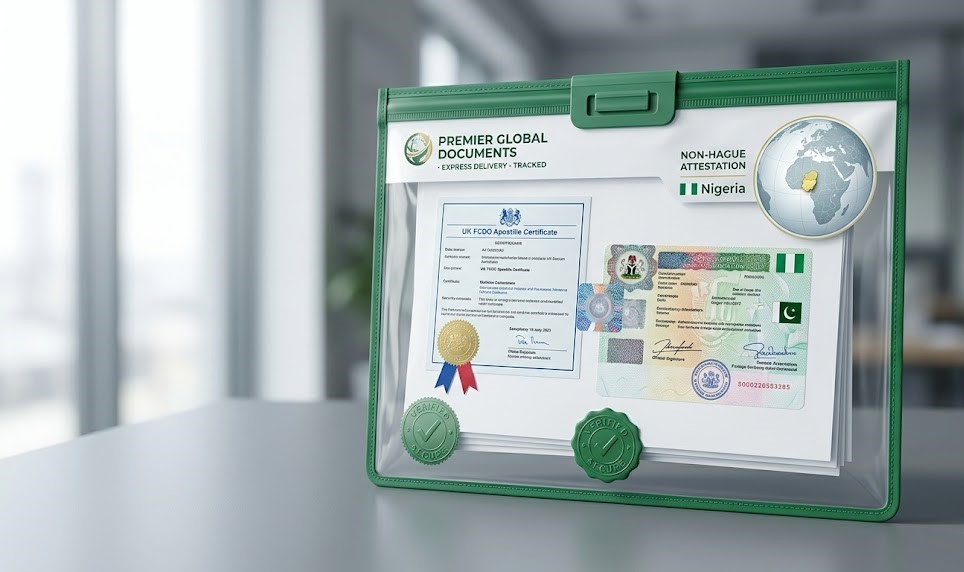
If your destination country is not part of the Hague Apostille Convention, your documents will require full legalisation—including both an FCDO apostille and embassy attestation.
While the process may seem complicated, understanding the steps and requirements can help you avoid delays and ensure your documents are accepted abroad.
For a fast, reliable, and stress-free experience, consider using a trusted apostille service UK. The experts at 2eApostille can handle the entire process—from document checks to embassy legalisation—so you can focus on what matters most.
Start your application today by visiting:
https://2eapostille.co.uk/apostille-service-uk/
Let professionals take care of your apostille documents UK and document legalisation UK needs with confidence and efficiency.