
Which countries require additional embassy legalisation after apostille?
Introduction
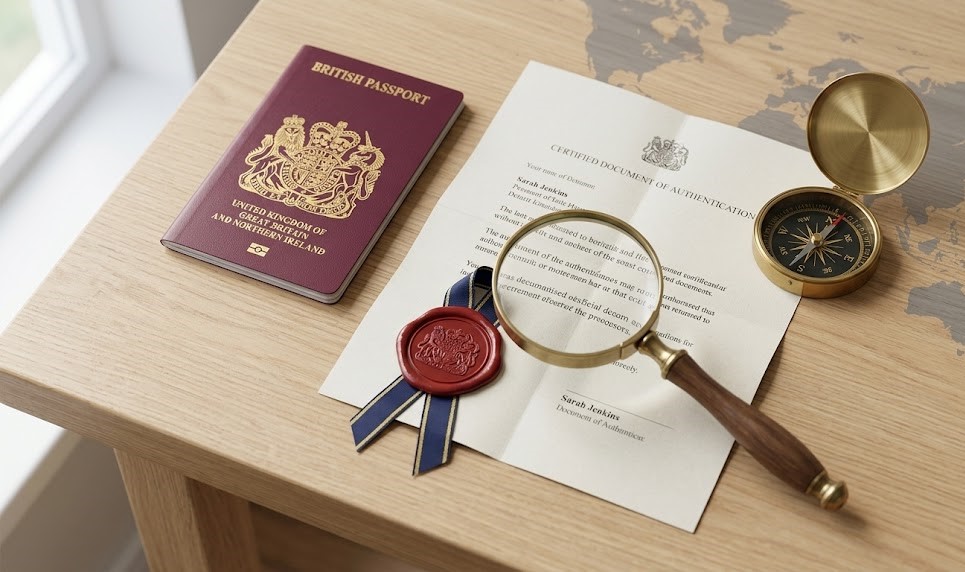
If you are preparing UK documents for use abroad, you may have already come across the term “apostille”. For many countries, obtaining an apostille is the final step in making your documents legally recognised overseas. However, a common point of confusion is this: an apostille is not always the final requirement.
In fact, some countries still require additional embassy legalisation even after your document has received an apostille. This can be surprising—and frustrating—especially if you are unfamiliar with how international document legalisation works.
Whether you are planning to work overseas, get married abroad, study internationally, or expand a business, understanding when you need both apostille UK and embassy attestation is essential. Missing this step can lead to delays, rejected applications, or even legal complications.
This comprehensive guide explains everything in simple terms. You will learn what an apostille is, how the UK legalisation process works, which countries require extra steps, and how to avoid common mistakes.
What Is an Apostille?
An apostille is a certificate issued by the UK government that confirms the authenticity of a document. It verifies that the signature, stamp, or seal on a document is genuine.
In the UK, apostilles are issued by the Foreign, Commonwealth & Development Office (FCDO). This is why the term FCDO apostille is widely used.
What Does an Apostille Do?
An apostille:
- Confirms the document is genuine
- Verifies the authority of the signatory
- Makes the document valid for use in another country
However, an apostille does not certify the content of the document, nor does it translate it.
When Is an Apostille Required?
You will typically need an apostille when presenting UK documents abroad for:
- Marriage overseas
- Employment in another country
- Immigration or visa applications
- Studying abroad
- Business expansion
- Property purchases
If the country you are dealing with is part of the Hague Apostille Convention, an apostille is usually sufficient. But if the country is not part of the convention, you will need additional embassy legalisation.
What Is Embassy Legalisation?
Embassy legalisation (also called consular legalisation or attestation) is an extra step required by certain countries.
After your document has been apostilled, it must be:
- Submitted to the embassy or consulate of the destination country
- Verified and stamped by that embassy
This process confirms that the apostille itself is recognised by the receiving country.
Why Do Some Countries Require Embassy Legalisation?
Not all countries recognise apostilles.
Countries that are not members of the Hague Apostille Convention require full legalisation, which includes:
- Apostille (or equivalent verification)
- Embassy or consulate attestation
This is because they follow different legal systems and need additional verification.
Which Countries Require Embassy Legalisation After Apostille?
Understanding which countries require extra steps is crucial.
Countries That Typically Require Embassy Legalisation
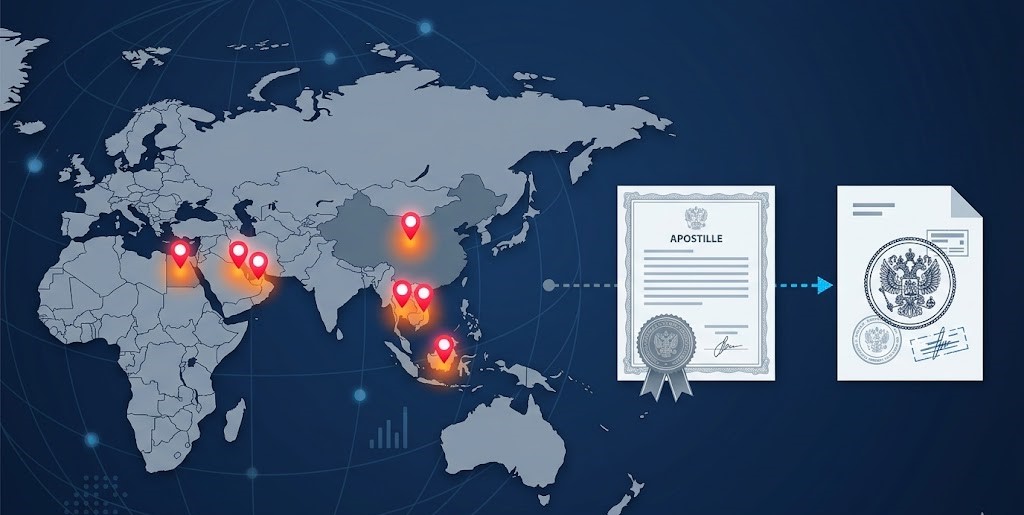
These countries are not part of the Hague Apostille Convention, so apostille alone is not enough:
- United Arab Emirates (UAE)
- Qatar
- Kuwait
- Saudi Arabia
- China
- Vietnam
- Thailand
- Egypt
- Indonesia
For these countries, the process usually involves:
- Certification (if required)
- FCDO apostille
- Embassy legalisation
Special Cases
Some countries may:
- Require translation before embassy submission
- Have additional ministry approvals
- Require notarisation before apostille
Requirements can vary depending on the type of document.
Countries That Do NOT Require Embassy Legalisation
Countries that are members of the Hague Apostille Convention accept apostilles without further legalisation.
Examples include:
- France
- Spain
- Germany
- Italy
- Australia
- United States
- Netherlands
For these countries, the process is simpler:
- Document → Apostille → Done
However, translation may still be required.
The UK Apostille Process Explained
Understanding the process helps you avoid delays.
Step 1: Prepare Your Documents
Ensure your documents are:
- Original or certified copies
- Signed by a recognised authority
Step 2: Certification (If Required)
Some documents must be certified by:
- A UK solicitor
- A notary public
Step 3: Apply for an Apostille
Submit your documents to the FCDO for apostille.
Step 4: Embassy Legalisation (If Required)
If your destination country requires it:
- Submit the apostilled document to the embassy
Which Documents Commonly Require Apostille and Legalisation?
Many types of apostille documents UK are used internationally.
Personal Documents
- Birth certificates
- Marriage certificates
- Divorce certificates
- Police certificates (DBS checks)
Educational Documents
- Degree certificates
- Diplomas
- Academic transcripts
Business Documents
- Certificates of incorporation
- Contracts
- Powers of attorney
- Company resolutions
Legal Documents
- Court orders
- Affidavits
- Notarised statements
Each document type may have slightly different requirements.
Timelines for Apostille and Embassy Legalisation
Timing is important, especially for urgent applications.
Apostille Processing Time
- Standard: 2–5 working days
- Express: 1–2 working days
Embassy Legalisation Time
- Typically: 3–10 working days
- Some embassies may take longer
Total Timeline
- Usually between 5 and 15 working days
Planning ahead is essential.
Common Mistakes to Avoid
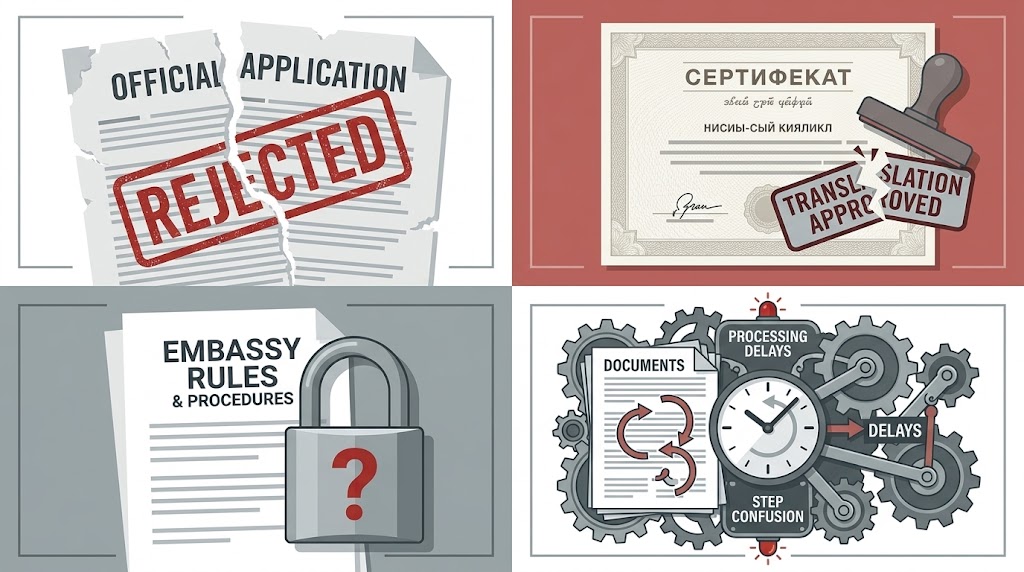
Many applications are delayed due to simple errors.
1. Assuming Apostille Is Always Enough
Not all countries accept apostilles alone.
2. Ignoring Embassy Requirements
Each embassy has different rules and fees.
3. Submitting Incorrect Documents
Uncertified or damaged documents may be rejected.
4. Missing Translation Requirements
Some countries require certified translations.
5. Not Using a Professional Service
DIY applications can lead to costly delays.
Do You Always Need Both Apostille and Embassy Legalisation?
No. It depends on the country.
You Need Only Apostille If:
- The country is part of the Hague Convention
You Need Both If:
- The country is not part of the convention
Always check the destination country’s requirements before starting the process.
Why Use a Professional Apostille Service UK?
Handling apostille and embassy legalisation yourself can be time-consuming and confusing.
A professional apostille service UK can:
- Check country-specific requirements
- Handle document legalisation UK efficiently
- Avoid rejections and delays
- Manage embassy submissions
For a complete and reliable service, visit:
https://2eapostille.co.uk/apostille-service-uk/
Practical Tips for a Smooth Process
- Start early to avoid last-minute stress
- Check embassy requirements carefully
- Use certified translators if needed
- Keep copies of all documents
- Use tracked delivery services
Frequently Asked Questions (FAQs)
1. Which countries require embassy legalisation after apostille?
Countries not part of the Hague Convention, such as UAE, Qatar, and China.
2. Is an apostille enough for all countries?
No, some countries require additional embassy attestation.
3. How long does embassy legalisation take?
Usually between 3 and 10 working days.
4. Do I need translation before embassy legalisation?
Often yes, depending on the country.
5. Can I handle the process myself?
Yes, but it can be complex and time-consuming.
6. What is the difference between apostille and legalisation?
An apostille is a simplified legalisation method; full legalisation includes embassy attestation.

Conclusion
Understanding whether your destination country requires additional embassy legalisation after apostille is crucial. While the apostille process simplifies document verification for many countries, others still require extra steps to ensure legal recognition.
By knowing the requirements in advance, you can avoid delays, reduce stress, and ensure your documents are accepted without issues.
If you want a fast, reliable, and stress-free experience, trust a professional service to handle everything for you.
Get started today with a trusted apostille service UK:
https://2eapostille.co.uk/apostille-service-uk/
Let 2eApostille take care of your apostille UK and document legalisation UK needs—so you can focus on what matters most.